





.svg)







ABM is at an inflection point. The signals are changing. The technology is changing. And the smartest practitioners are quietly responding to the shifting winds.
Last month, Turtl gathered four of the most senior ABM leaders in B2B to ask the question that matters most: where is this all heading?
The all-star lineup featured:
- Sarah Thomas, CMO at Capgemini
- Rhiannon Blackwell, ABM Leader at PwC
- Emma McClellan, Global ABM Manager at Cognite
- Emilia Korczynska, VP of Marketing at Userpilot.
What we got was one hour of the honest reality of where ABM is heading – and actionable advice for how to prepare.
Here’s a taste of what was covered. For the full picture (like tactics for proving ABM's ROI to a sceptical leadership team), head to the webinar playback.
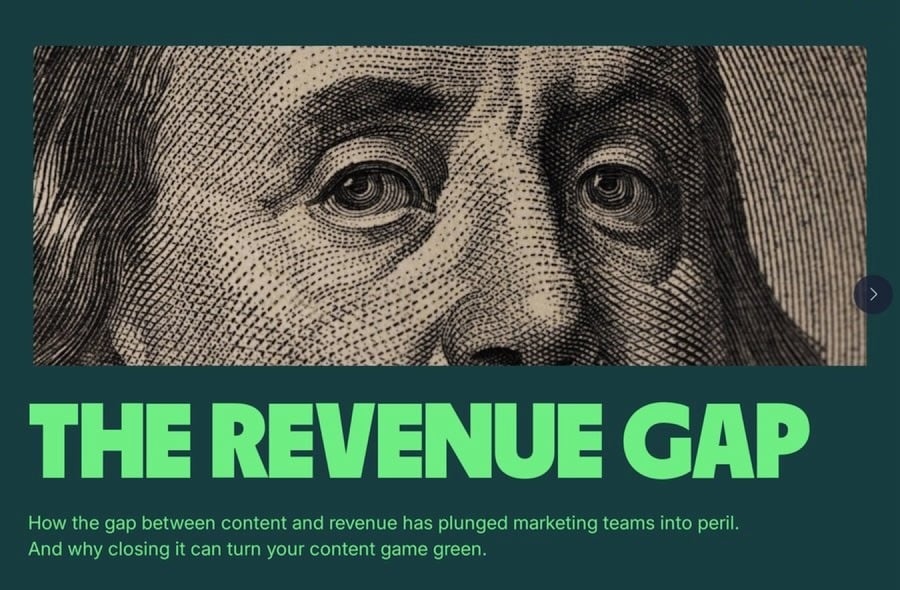
The revenue gap is ABM's defining problem right now
The conversation started where it always should: the commercial reality. ABM can be expensive. And when your CFO asks how every dollar is translating into pipeline, "we got great engagement metrics" isn't going to cut it.
As Turtl’s CEO and Co-founder, Nick Mason, framed it at the top of the session: marketers are trapped in a cycle. Static content. Data black holes. Vanity metrics. Clicks and downloads instead of attributable pipeline. The tools exist to change this – but most teams aren't yet connecting them in a way that delivers a credible revenue story.
That's the gap. And closing it is pivotal for ABM success – now and in the future.
It's not about more data. It's about clearer signals.
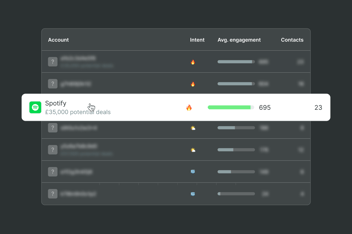
Every panellist had something to say about intent signals. The standout message? Don’t focus on collecting more of them. Focus on making them usable.
Emma McClellan put it directly: "We don't need more data. We need more confidence on where to spend time."
At Cognite, that means building dashboards that go beyond just showing intent to tell sales teams which accounts to prioritize and which signals indicate real evaluation behaviour. The shift is subtle but important: from signal visibility to signal-driven action.
Rhiannon Blackwell added another dimension. As buying committees grow larger and harder to map, individual-level signals are becoming less useful on their own. The opportunity ahead is using signals to surface the hidden buyers in the room i.e. the influencers and decision-makers you don't yet (and might never if not for the right tools) know exist.
How teams are approaching this differs significantly depending on scale, ACV, and relationship complexity. The full session unpacks what that looks like across very different types of organisations.
AI: the personalization premium is almost here
If you expected the panel to have a lot to say about AI, you’re on the money. But the takes went way beyond the typical "AI saves time."
Rhiannon made the case that AI's biggest near-term role in ABM goes way beyond efficiency. A sharper way to use it? Build trust before a human relationship begins. The majority of the buyer journey happens before anyone speaks to a salesperson – and AI-driven personalization is what warms that journey up.
Sarah Thomas brought another new perspective on AI to the table: AI is accelerating creative decision-making, not just content creation. When ideas aren't attributed to a person, teams give more honest, faster feedback. The result is better work, in less time, with less politics.
Emilia talked us through how she’s putting AI through its paces, already running an AI-led ABM system that generates 60–65 positive replies from interested prospects per month, completely autonomously. The specifics of how she built it are worth hearing directly. It's one of the most practical, detailed walkthroughs of an AI setup for ABM we've come across.
The human element of ABM is more important than ever
Here's the tension at the heart of it all. The more AI scales our tasks and outputs, the more premium human interaction becomes.
As Rhiannon put it: when AI-driven relevance becomes the baseline expectation, the moments where teams build real rapport (like a face-to-face meeting, a bespoke event, a genuine conversation) will carry more weight, not less.
Getting the human element right for long-term ABM growth relies on every team in your business working in step with each other, as Emma tells us. If we aren’t aligned on what direction we’re headed in, what goals mark progress on that route, and what steps we need to take to reach those goals, we’re putting our future ABM success at risk.
Sarah Thomas closed the session with a line that landed hard: "People will forget what we said and the campaigns they experienced. But they won't forget how we made them feel."
That point is the strategic north star for every ABM programme trying to work out where the human effort should go.
Video: Get all the intel
We've only scratched the surface here. The full session covers:
- Hot takes from our panellists on what ABM looks like by 2030
- How to prove ABM's ROI to a sceptical leadership team
- The deal-based ABM plays that deliver quick wins
- How to navigate the attribution challenge as privacy limits last-touch tracking.
Watch the full Future of ABM webinar recording →